

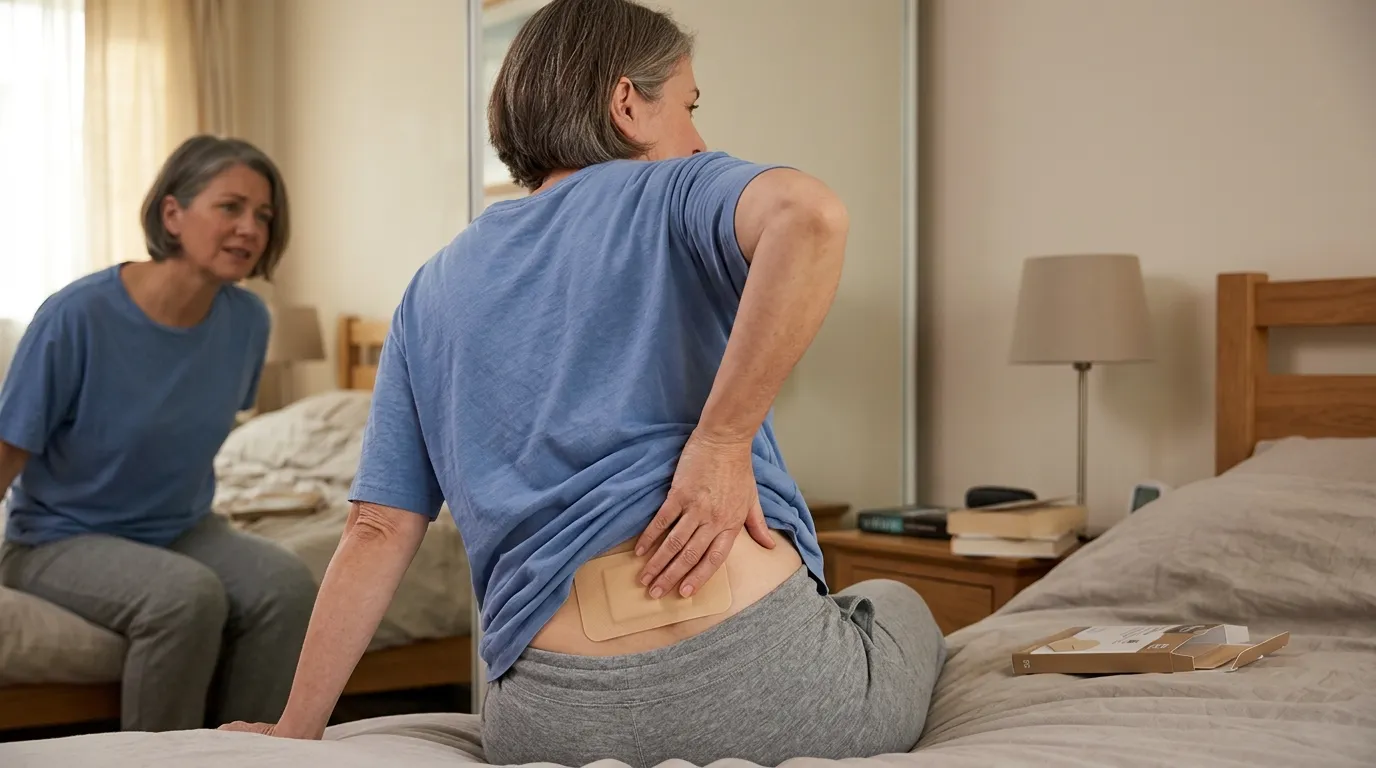
Struggling with persistent soreness can disrupt your entire routine. Finding the right back pain relief patches offers a targeted, non-invasive way to reclaim your daily comfort effectively.
This comprehensive guide explores everything you need to know about back pain relief patches. You will discover how different active ingredients work, learn to choose the perfect option for your specific symptoms, and gain actionable tips to maximize your recovery and overall spinal health.
Understanding the Mechanics of Back Pain Relief Patches
Back pain relief patches have revolutionized how we manage localized discomfort. Unlike oral medications that must pass through your digestive system, these adhesive applications deliver active ingredients directly through your skin. This transdermal delivery method ensures that the medication reaches the affected muscles, joints, or nerves rapidly and maintains a steady release over several hours.
When you apply back pain relief patches to a sore area, the active compounds penetrate the dermal layers and interact with nerve endings. Some ingredients block pain signals from reaching the brain, while others distract the nervous system by creating alternative sensations like cooling or warming. This localized approach minimizes systemic side effects, making patches a highly appealing option for continuous comfort. Whether you are dealing with a sudden muscle strain from heavy lifting or chronic stiffness from prolonged sitting, back pain relief patches provide a convenient, wearable solution that works while you go about your day.
The Anatomy of a Topical Patch
Most back pain relief patches consist of three main layers. The outer backing protects the active ingredients from rubbing off on your clothes. The middle layer holds the medication matrix, ensuring it remains stable and ready for absorption. Finally, the adhesive layer sticks to your skin and controls the precise release rate of the therapeutic compounds. This targeted design explains why millions of people rely on back pain relief patches for managing acute and chronic spinal discomfort.
Exploring the Active Ingredients in Back Pain Relief Patches

To select the most effective back pain relief patches, you must understand the different active ingredients available. Each compound interacts with your body uniquely, addressing specific types of discomfort.
Lidocaine for Numbing Relief
Lidocaine is a powerful local anesthetic found in many over-the-counter back pain relief patches. It works by blocking sodium channels in nerve endings, effectively stopping pain signals before they can travel to the central nervous system. Lidocaine back pain relief patches are exceptional for nerve-related discomfort, sharp pains, and localized tenderness. They provide a numbing sensation that can last up to 12 hours, making them ideal for individuals recovering from minor injuries or dealing with localized nerve irritation.
Capsaicin for Deep Heat Therapy
Derived from chili peppers, capsaicin provides intense, penetrating heat. Capsaicin-based back pain relief patches work by depleting substance P, a neurotransmitter responsible for sending pain messages to the brain. Initially, these back pain relief patches may cause a burning sensation, but over time, they effectively desensitize the local pain receptors. This makes capsaicin patches an excellent choice for chronic conditions, such as osteoarthritis or long-term muscle stiffness, where deep thermal therapy is highly beneficial.
Menthol for Cooling Comfort
Menthol creates a rapid cooling sensation when applied to the skin. This organic compound triggers cold-sensitive receptors, which overrides underlying pain signals—a process known as counter-irritation. Menthol back pain relief patches are fantastic for acute injuries, sudden muscle spasms, and post-workout soreness. The cooling effect also helps reduce localized inflammation and provides almost instantaneous distraction from the underlying ache.
Diclofenac for Anti-Inflammatory Action
Though less common in patch form than gels, diclofenac is a non-steroidal anti-inflammatory drug (NSAID) that reduces inflammation at the cellular level. Diclofenac back pain relief patches inhibit the enzymes that produce prostaglandins, the chemicals responsible for swelling and pain. These back pain relief patches are specifically targeted at inflammatory conditions like arthritis or severe muscle sprains. According to the Centers for Disease Control and Prevention, managing inflammation is a critical step in treating musculoskeletal disorders.
Comparing Your Options for Back Pain Relief Patches
|
Ingredient |
Primary Action |
Best Used For |
Duration of Relief |
|---|---|---|---|
|
Lidocaine |
Numbing |
Nerve pain, sharp localized pain |
8 to 12 hours |
|
Capsaicin |
Heating |
Chronic pain, arthritis, stiffness |
8 hours |
|
Menthol |
Cooling |
Acute strains, muscle spasms |
4 to 8 hours |
|
Diclofenac |
Anti-inflammatory |
Swelling, joint pain, sprains |
12 to 24 hours |
How to Choose the Right Back Pain Relief Patches for Your Symptoms
Selecting the right back pain relief patches requires matching the active ingredient to the exact nature of your discomfort.
Upper vs. Lower Back Pain
Upper back pain often results from tension, poor posture, or stress, which causes the muscles between the shoulder blades to tighten. For this type of ache, menthol or capsaicin back pain relief patches work incredibly well to relax tense fibers and promote blood flow. Conversely, lower back pain frequently involves structural issues, nerve compression like sciatica, or heavy lifting strains. Lidocaine back pain relief patches are often superior for the lower back, as the numbing agent directly addresses irritated nerves radiating from the lumbar spine.
Acute Strains vs. Chronic Conditions
If you just tweaked your back picking up a heavy box, you are dealing with acute pain. You want immediate distraction and reduced inflammation. Menthol or diclofenac back pain relief patches should be your first line of defense. If you have been living with a persistent, dull ache for months, capsaicin back pain relief patches offer the long-term nerve desensitization necessary for chronic pain management. Integrating patches with a proper physical therapy routine can yield the best long-term results.
Expert Insights: Pro Tips for Maximum Relief
To get the most out of your back pain relief patches, application technique matters just as much as the ingredient you choose.
First, always prepare the skin. Wash the area with basic soap and water, then dry it completely. Oils, lotions, and sweat prevent back pain relief patches from adhering properly and can block the absorption of the medication.
Second, consider the placement. You do not always need to place the patch exactly where the pain feels most intense. Sometimes, placing it slightly above or directly over the nerve pathway yields better results.
Third, pay attention to mobility. The back is a highly mobile area. If you find your back pain relief patches peeling off when you bend or twist, try applying them while you are slightly bent forward. This stretches the skin, ensuring the patch does not instantly pull away when you move. If you are struggling with posture-induced pain, pairing patches with ergonomic office chairs can prevent the pain from returning.
Common Mistakes to Avoid When Using Back Pain Relief Patches
While back pain relief patches are generally safe, improper use can lead to skin irritation or reduced effectiveness.
Do not use heating pads over back pain relief patches. Adding external heat to a medicated patch—especially one containing capsaicin or lidocaine—can cause your blood vessels to dilate rapidly. This increases the absorption rate of the medication to potentially dangerous levels and can result in severe skin burns. The Food and Drug Administration explicitly warns against combining topical analgesics with external heat sources.
Avoid applying back pain relief patches to broken or irritated skin. Cuts, scrapes, or rashes compromise the skin barrier, allowing the medication to enter your bloodstream too quickly.
Never leave back pain relief patches on longer than directed. Most patches are designed to be worn for 8 to 12 hours within a 24-hour period. Leaving them on continuously can lead to contact dermatitis, skin thinning, and reduced efficacy as your body builds a localized tolerance to the active ingredient.
Integrating Back Pain Relief Patches with Other Treatments

Back pain relief patches are powerful tools, but they work best as part of a comprehensive pain management strategy. While the patch handles the immediate symptom of pain, you must address the root cause of the discomfort to achieve lasting wellness.
Combining your back pain relief patches with gentle movement is highly effective. Bed rest is no longer the recommended treatment for back aches. Instead, utilizing patches to take the edge off allows you to comfortably engage in lower back stretches and core-strengthening exercises. Strengthening the muscles that support your spine reduces the burden on your vertebrae and discs.
Additionally, consider alternative therapies like massage or acupuncture. Using back pain relief patches between physical therapy sessions keeps inflammation and muscle spasms at bay, allowing your body to heal faster. Always consult with a healthcare professional, such as those at the Mayo Clinic, before starting any new comprehensive treatment plan for severe or chronic spinal issues.
Are Prescription Back Pain Relief Patches Better Than OTC?
Many people wonder if they need a doctor’s prescription to get effective back pain relief patches. Over-the-counter (OTC) patches contain up to 4% lidocaine, while prescription patches generally contain 5%. For the vast majority of mild to moderate musculoskeletal issues, OTC back pain relief patches provide ample relief.
Prescription patches are usually reserved for specific medical conditions, such as post-herpetic neuralgia (nerve pain following shingles) or severe diabetic neuropathy. If you find that maximum strength OTC back pain relief patches are not adequately managing your discomfort after several days, it is time to consult your physician for a comprehensive evaluation. They may recommend prescription-strength options or investigate underlying spinal pathologies that require different interventions.
The Future of Transdermal Pain Management
The technology behind back pain relief patches continues to evolve. New nanotechnology patches aim to manipulate the electrical signals of the nervous system without chemical ingredients. Other advancements include smart patches that release medication in response to changes in body temperature or muscle tension. As transdermal technology improves, back pain relief patches will only become more targeted, efficient, and comfortable to wear.
Taking control of your spinal health requires a multi-faceted approach. By understanding the ingredients, proper application techniques, and how to avoid common pitfalls, you can harness the full power of back pain relief patches to maintain an active, comfortable lifestyle.
To effectively manage your discomfort, choose back pain relief patches containing the right active ingredients for your specific symptoms. Combine their targeted, transdermal benefits with gentle stretching, proper posture, and medical guidance when necessary. Reclaim your mobility and live comfortably today!
FAQs
What are back pain relief patches?
Back pain relief patches are adhesive pads infused with medications like lidocaine, menthol, or capsaicin. You apply them directly to the skin over sore muscles or joints to deliver localized, targeted pain relief without taking oral medications.
How long can I wear back pain relief patches?
Most back pain relief patches are designed to be worn for 8 to 12 hours within a 24-hour period. Always read the manufacturer’s specific instructions, as leaving them on too long can cause skin irritation or adverse reactions.
Can I sleep with back pain relief patches on?
Yes, you can usually sleep with back pain relief patches on, provided you do not exceed the recommended total wearing time (often 8-12 hours). Ensure you do not use an electric blanket or heating pad over the patch while sleeping.
Are lidocaine back pain relief patches better than menthol?
Neither is strictly better; they serve different purposes. Lidocaine patches numb nerve endings, making them ideal for sharp or radiating nerve pain. Menthol provides a cooling sensation that distracts from acute muscle strains and spasms.
Can I cut back pain relief patches to fit a smaller area?
You can safely cut most menthol and capsaicin back pain relief patches. However, you should never cut prescription or specialized matrix patches unless the packaging explicitly states it is safe, as cutting can alter the medication release rate.
Do back pain relief patches work for sciatica?
Yes, lidocaine-based back pain relief patches can help manage sciatica by numbing the localized area where the nerve is irritated. However, they only treat the symptoms, not the underlying nerve compression causing the sciatica.
Why do capsaicin back pain relief patches burn?
Capsaicin is derived from chili peppers. It initially causes a burning sensation as it binds to pain receptors in the skin, eventually depleting the neurotransmitters that send pain signals to the brain, resulting in long-term relief.
Can I shower with back pain relief patches on?
Most standard back pain relief patches are not waterproof and will fall off or lose their medication if exposed to heavy water. It is best to remove the patch before showering and apply a fresh one to dry skin afterward.
Are back pain relief patches safe for everyone?
While generally safe, individuals with sensitive skin, allergies to adhesives, or specific medical conditions should consult a doctor first. Pregnant women and young children should always seek medical advice before using back pain relief patches.
Can I use back pain relief patches with oral pain relievers?
In many cases, it is safe to use localized back pain relief patches alongside oral medications like acetaminophen, as they operate differently. However, you should consult a pharmacist to ensure there are no specific drug interactions, especially with NSAIDs.
