

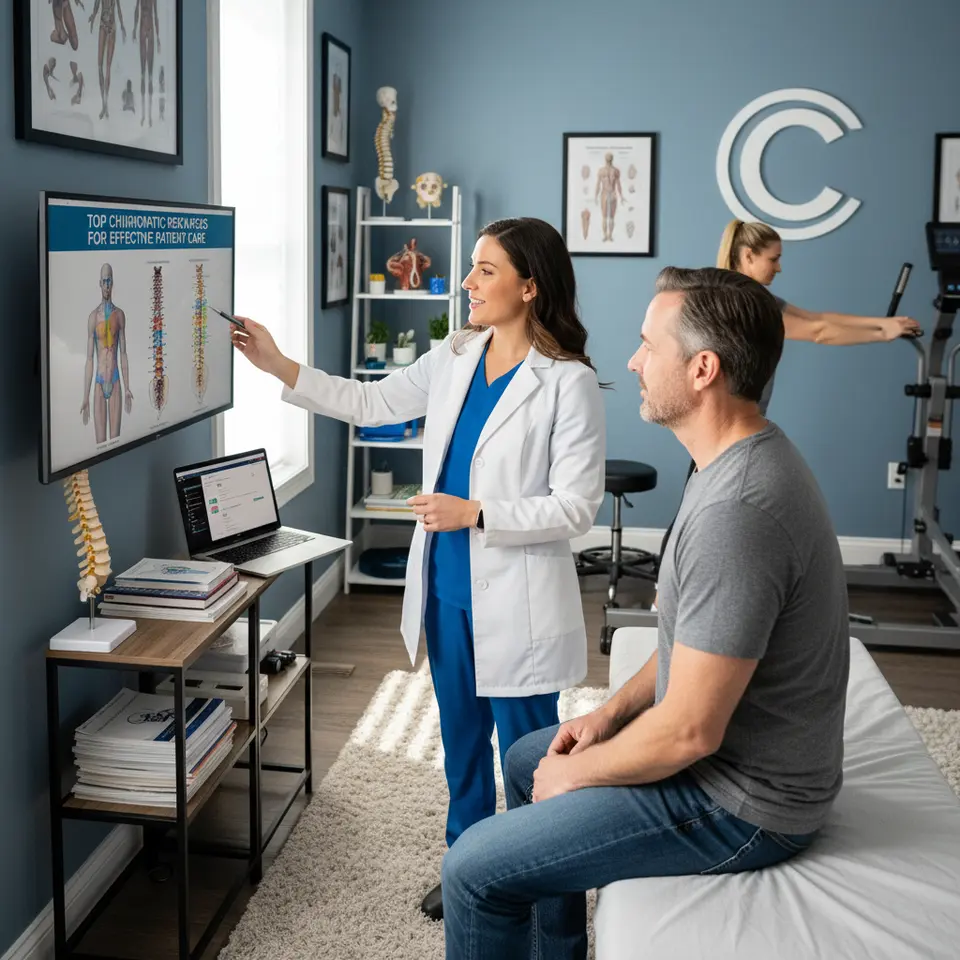
In today’s healthcare environment, accessing the right chiropractic resources is crucial for practitioners who want to deliver exceptional patient care and remain at the cutting edge of the profession. As the demand for non-invasive, holistic treatments grows, chiropractors are tasked with staying informed about the latest research, refining hands-on techniques, and harnessing innovative digital tools. This year (2026), the market offers an array of foundational texts, advanced software platforms, therapeutic equipment, patient education materials, and professional networks designed to enhance both clinical outcomes and practice efficiency.
Whether you are launching a new clinic or seeking to breathe fresh energy into an established practice, integrating a well-curated collection of resources can streamline your workflow and deepen patient trust. From comprehensive atlases that depict spinal biomechanics in stunning detail to cloud-based practice management systems that reduce administrative burdens, these assets form the backbone of a dynamic chiropractic practice. In today’s digital landscape, practitioners also benefit from telehealth options, interactive 3D models, and evidence-based references hosted on authoritative sites like the National Center for Biotechnology Information (NCBI) and the Centers for Disease Control and Prevention (CDC).
Over the next sections, we will explore five key categories of chiropractic resources—each offering unique advantages for clinical excellence and patient satisfaction. By the end of this guide, you will be equipped to assemble a tailored library of tools that supports your commitment to continuous learning, operational efficiency, and evidence-based care in the chiropractic profession.
Foundational Texts and Core Literature
A robust professional library starts with essential textbooks that cover anatomy, biomechanics, and manual adjustment techniques. Today, several classics remain indispensable for both new graduates and seasoned chiropractors. For instance, “Foundations of Chiropractic” delves into the neuroanatomy and physiological principles underlying spinal adjustments, while “Clinical Biomechanics of the Spine” presents detailed analyses of vertebral motion segments and their clinical implications. Investing in these volumes ensures that you have a reliable base for crafting treatment plans and educating patients.
Beyond core texts, specialty books focusing on pediatric chiropractic care or sports injury management expand your toolbox for diverse patient populations. Illustrated atlases—such as those published by major academic presses—offer high-resolution images and clear diagrams to clarify complex structures like the brachial plexus or lumbar facet joints. Many of these references are now available in digital formats, allowing you to quickly search keywords, annotate sections, and access content on tablets during consultations.
Key Features to Look For
- Comprehensive coverage: Ensure the book addresses anatomy, pathology, and manual techniques in a cohesive format.
- Evidence-based updates: Look for editions that incorporate recent research findings and case studies.
- Digital accessibility: Prefer titles offering e-book versions with interactive elements, such as embedded videos or hyperlinks to external studies.
Universities such as Palmer College of Chiropractic frequently publish peer-reviewed journals and monographs that can supplement your library. Subscribing to institutional newsletters or joining mailing lists from research centers helps you stay current with new editions and emerging literature. By grounding your practice in authoritative texts, you bolster your clinical reasoning and foster patient confidence in your expertise.
Digital Platforms and Practice Management Solutions

Modern chiropractic resources extend far beyond printed pages. Cloud-based practice management systems streamline appointment scheduling, billing, and electronic health records (EHR) in a unified interface. Leading platforms offer HIPAA-compliant patient portals, automated reminders, and secure telehealth integrations—features that reduce no-show rates and enhance patient engagement. In today’s fast-paced world, having real-time access to patient data on smartphones or tablets is invaluable, especially when coordinating multidisciplinary care.
Top Software Features
- Integrated billing modules: Automate insurance claims submission and track outstanding balances efficiently.
- Customizable templates: Create intake forms, SOAP notes, and progress reports tailored to chiropractic care protocols.
- Analytics dashboards: Monitor key performance indicators such as patient retention, revenue per visit, and referral sources.
In addition to practice-wide solutions, diagnostic and educational apps transform the patient experience. Interactive 3D spine models allow you to demonstrate the effects of subluxations and alignment corrections in real time, fostering deeper understanding and stronger adherence to treatment plans. For evidence-based research, tapping into repositories like the National Center for Biotechnology Information (NCBI) offers access to peer-reviewed articles on musculoskeletal health and rehabilitation.
Telehealth platforms have also become integral to continuity of care, enabling virtual follow-up consultations and remote assessments. Certain cloud-based systems integrate video conferencing directly into patient records, offering seamless session documentation. These digital tools not only expand your reach to patients in rural areas but also align with public health initiatives outlined by the Centers for Disease Control and Prevention (CDC), promoting safe, contactless service options when needed.
Hands-On Tools and Therapeutic Equipment
While foundational texts and digital systems provide the theoretical backbone, high-quality hands-on tools are vital for delivering precise adjustments and therapeutic interventions. Modern chiropractic tables often feature adjustable drop sections and customizable positioning, improving leverage for specific techniques and enhancing patient comfort. When selecting a treatment table, prioritize models with sturdy construction, easy height adjustment, and versatile accessories for extremity work.
Instrument-Assisted Devices
Instrument-assisted techniques appeal to patients who prefer lighter thrusts or have sensitivities to manual adjustments. Devices such as spring-loaded activators and percussion tools deliver controlled impulses with consistent force. These instruments minimize practitioner fatigue and reduce the risk of overapplication of pressure, making them well-suited for geriatric or pediatric patients. Many systems offer interchangeable tips and adjustable force settings, allowing you to tailor the intervention to each individual’s needs.
Soft Tissue and Rehabilitation Aids
Complementary to spinal adjustments, soft tissue instruments facilitate myofascial release, trigger point therapy, and scar tissue remodeling. Foam rollers, massage balls, and handheld percussion devices help break down adhesions and improve circulation in targeted muscle groups. Keeping a selection of resistance bands, balance boards, and kinesiology tape on hand allows you to prescribe comprehensive home exercise programs that reinforce in-office treatments.
For specialized practices focusing on sports chiropractic, consider investing in dynamic motion analysis tools and functional assessment kits. These resources enable detailed evaluations of gait, posture, and movement patterns, informing treatment strategies that address performance optimization and injury prevention. By integrating hands-on equipment with evidence-based protocols, you deliver a holistic, multifaceted approach that resonates with modern patient expectations.
Educational Materials for Patient Empowerment
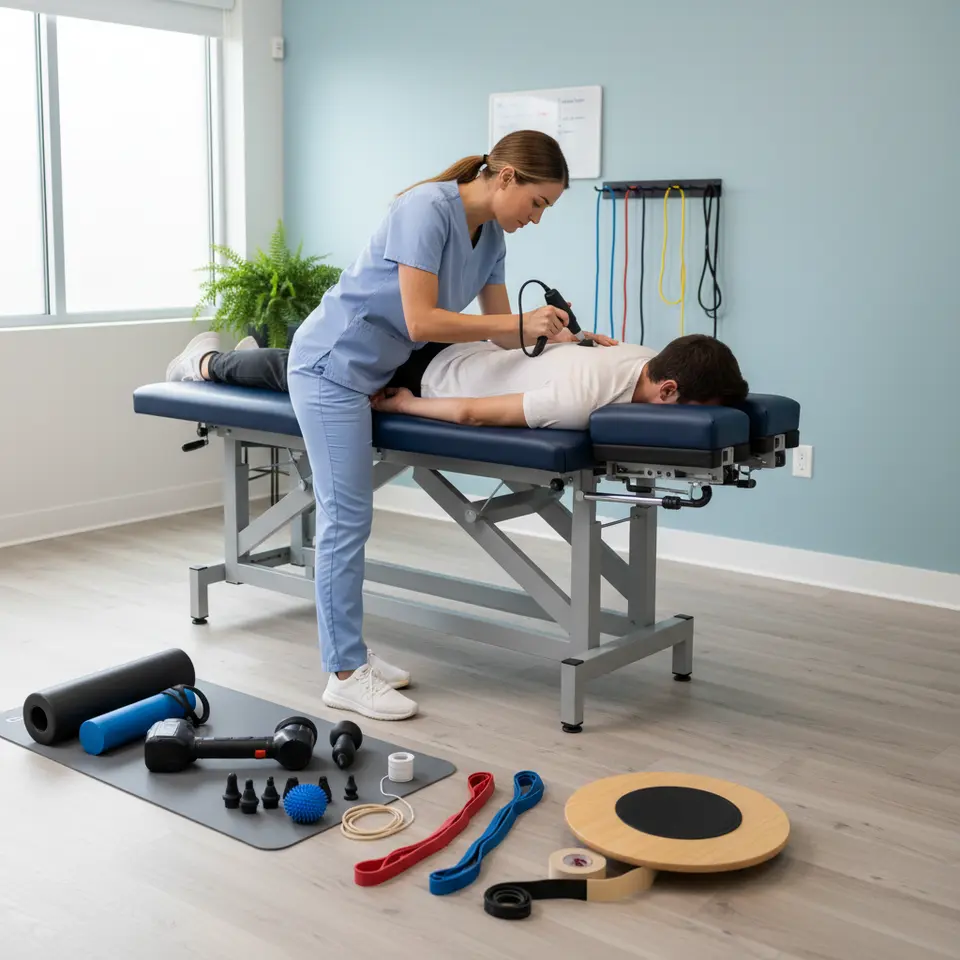
Empowering patients with clear, engaging educational materials fosters compliance and reinforces healthy behaviors outside the clinic. Ready-to-print handouts covering posture correction, ergonomic workstation tips, and home exercise routines provide tangible references that patients can follow between visits. High-resolution posters and infographics displayed in your waiting area emphasize key concepts such as safe lifting techniques and spinal hygiene.
Digital Libraries and Multimedia Resources
In today’s digital landscape, video tutorials and animated models are among the most effective ways to convey complex anatomical and biomechanical information. Platforms like YouTube host channels from accredited institutions and professional associations offering bite-sized educational content. Embedding these videos into your practice’s patient portal or emailing direct links encourages patients to revisit the material at their own pace.
Custom Brochures and Interactive Tools
Creating branded brochures that outline your unique treatment protocols and wellness plans strengthens your professional identity. Incorporate QR codes that link to interactive symptom checkers or appointment scheduling forms, streamlining the patient journey from education to action. For clinics with multilingual populations, offering translations of key handouts ensures that language barriers do not impede comprehension or adherence.
Research conducted by reputable bodies such as the World Health Organization (WHO) underscores the importance of patient education in achieving sustainable health outcomes. By combining print and digital materials, you create a cohesive information ecosystem that supports lifelong wellness and positions your practice as a trusted source of spinal health guidance.
Ongoing Learning and Professional Communities
Continuous professional development is a cornerstone of exemplary chiropractic care. Accredited online courses covering advanced adjustment methods, nutritional counseling, and rehabilitative therapies allow you to expand your skill set on your own schedule. Many universities and professional associations offer webinars, workshops, and certification programs that count toward licensure requirements, helping you maintain compliance with regulatory bodies.
Workshops and Hands-On Seminars
Interactive seminars hosted by chiropractic associations provide opportunities for peer-to-peer learning and mentorship. These events often feature hands-on sessions led by experts in specialized techniques such as instrument-assisted soft tissue mobilization or pediatric chiropractic. Participating in live demonstrations and small-group labs accelerates skill acquisition and fosters collaborative relationships with colleagues.
Online Forums and Study Groups
Virtual communities allow you to discuss complex cases, share treatment protocols, and exchange research insights in real time. Platforms such as the American Chiropractic Association’s member portal and private social media groups offer moderated discussion boards and journal clubs. Engaging proactively in these networks keeps you aware of emerging evidence and best practices as they evolve throughout this year (2026).
Additionally, partnering with local study groups or establishing interdisciplinary collaborations with physical therapists and osteopaths expands your perspective on patient care. These alliances can lead to co-hosted workshops, joint research projects, and referral networks that enhance both clinical outcomes and professional visibility. By remaining plugged into a vibrant community of practice, you ensure your knowledge and skills remain current and relevant.
Frequently Asked Questions
1. What are the most important chiropractic resources for practitioners?
Key resources include foundational textbooks, practice management software, therapeutic equipment, patient education materials, and professional learning networks.
2. Why are foundational texts important in chiropractic practice?
They provide essential knowledge of anatomy, biomechanics, and adjustment techniques, helping practitioners build accurate and effective treatment plans.
3. What are the benefits of digital practice management systems?
They streamline scheduling, billing, and patient records, improve efficiency, reduce administrative workload, and enhance patient communication through automated tools.
4. How do telehealth tools support chiropractic care?
Telehealth platforms enable remote consultations, follow-ups, and patient monitoring, improving accessibility and continuity of care.
5. What types of chiropractic equipment are essential for clinics?
Important equipment includes adjustable treatment tables, instrument-assisted devices, soft tissue tools, and rehabilitation aids like resistance bands and balance boards.
6. When should chiropractors use instrument-assisted techniques?
These techniques are ideal for patients who are sensitive to manual adjustments, such as elderly or pediatric patients, offering controlled and gentle force.
7. How can patient education materials improve treatment outcomes?
Educational materials help patients understand their condition, follow treatment plans, and adopt healthy habits, leading to better compliance and long-term results.
8. What digital resources can chiropractors use for research?
Practitioners can access peer-reviewed studies and medical data through platforms like the National Center for Biotechnology Information (NCBI) and the Centers for Disease Control and Prevention (CDC).
9. Why is continuing education important for chiropractors?
Ongoing learning ensures practitioners stay updated with the latest techniques, research, and industry standards, improving clinical effectiveness and compliance.
10. How can professional communities benefit chiropractors?
Communities provide networking opportunities, knowledge sharing, mentorship, and access to the latest trends and best practices in chiropractic care.
Conclusion
Incorporating a curated selection of chiropractic resources—from authoritative textbooks and advanced digital platforms to specialized hands-on equipment and patient education materials—sets the stage for superior patient outcomes and streamlined operations. Today, the wealth of available tools empowers practitioners to adopt evidence-based techniques, foster patient engagement, and maintain compliance with evolving industry standards. By committing to ongoing education and active participation in professional networks, you reinforce your clinical expertise and uphold the highest standards of care.
Whether you are just beginning your chiropractic journey or seeking to revitalize an established practice, these resources offer a roadmap to excellence. Explore reputable sources, invest in quality equipment, and embrace digital innovations to elevate your service offerings. Ultimately, a strategic blend of knowledge, technology, and collaboration will enable you to thrive in today’s dynamic healthcare landscape and deliver the best possible care to your patients.
