


In today’s digital landscape, having the right Chiropractic resources is more crucial than ever. Practitioners and students alike need reliable tools, evidence-based information, and professional connections to deliver exceptional patient care and stay ahead in a competitive environment. Currently, advances in technology, new research findings, and evolving patient expectations demand a holistic approach to resource management. Whether you’re setting up a new clinic, expanding an existing practice, or seeking to deepen your expertise, this guide provides a step-by-step roadmap. We’ll explore essential instruments, educational avenues, cutting-edge software, professional networks, and best practices for integrating these resources seamlessly into your daily workflow. From hands-on equipment that enhances treatment precision to authoritative online portals that keep you informed about the latest research, every aspect is covered in detail. Drawing on insights from top institutions like the National Institutes of Health (nih.gov) and the World Health Organization (who.int), this comprehensive article equips you with all the Chiropractic resources needed to optimize clinical outcomes, streamline operations, and future-proof your practice in this year (2026). By the end of this guide, you’ll have a clear action plan to elevate patient satisfaction, boost professional development, and strengthen your reputation as a leading chiropractor.
Essential Instruments and Equipment for a Modern Chiropractic Clinic
High-Quality Adjustment Tables and Supportive Tools
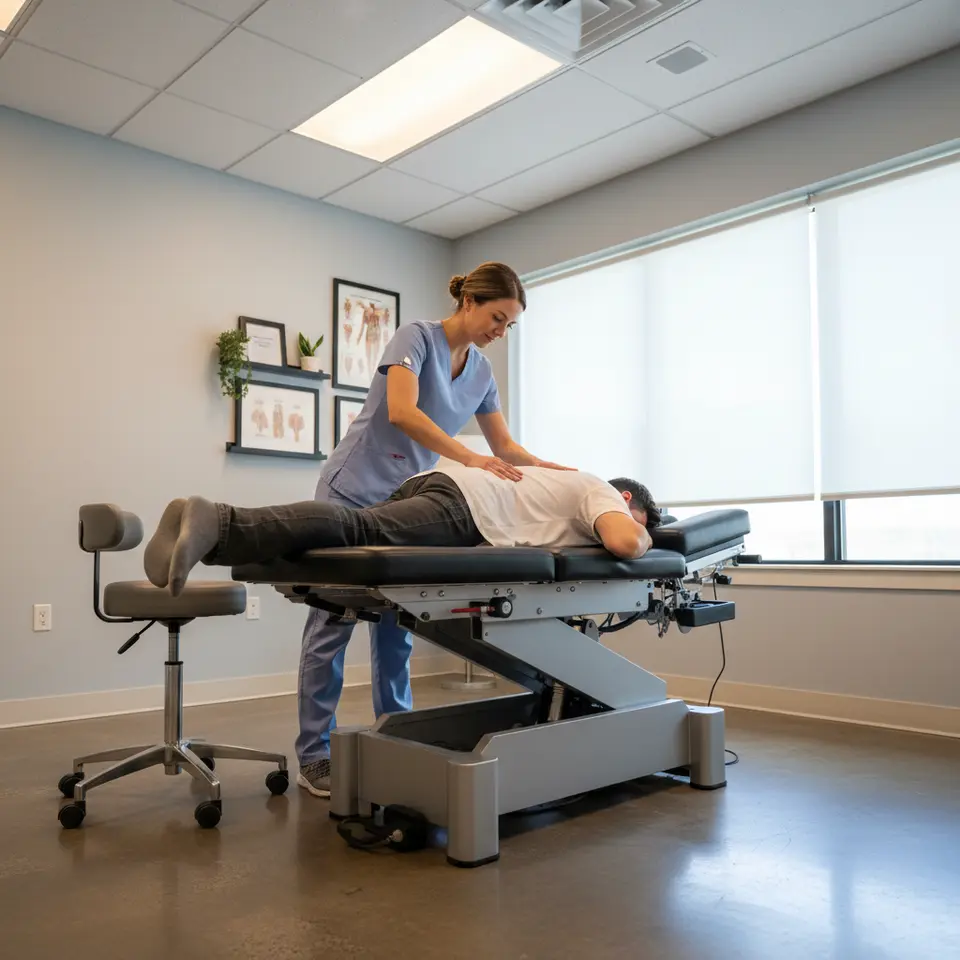
At the core of any chiropractic practice lie the tables and tools that facilitate precise adjustments. Hydraulic and drop-piece tables offer adjustable heights, specialty drop sections, and tilts that help position patients optimally. Selecting tables with easy-to-use controls and customizable drop segments for cervical, thoracic, and pelvic adjustments improves both patient comfort and practitioner ergonomics. Additionally, investing in ergonomic stools and adjustable lighting can significantly reduce practitioner fatigue and enhance visibility during detailed procedures.
Visual Aids and Therapeutic Modalities
Visual representation is vital for patient education and treatment planning. High-resolution spinal models, nerve-pathway charts, and skeletal replicas make it easier to explain complex neuromusculoskeletal conditions. Complementary therapeutic modalities—such as cold lasers, therapeutic ultrasound machines, and electrical stimulation units—aid in soft tissue healing, reduce pain, and control inflammation. These devices not only diversify your treatment offerings but also underscore your commitment to evidence-based care.
Diagnostic and Assessment Tools
Accurate assessment of posture, gait, and spinal alignment is a cornerstone of effective chiropractic interventions. Digital posture-analysis platforms and simple yet reliable plumb-line kits help quantify deviations and track progress over time. Portable range-of-motion devices and force-sensing equipment further augment your diagnostic capabilities, allowing for tailored treatment plans. For patients requiring orthotic support, custom foot orthotics, lumbar rolls, and cervical pillows provide continued therapeutic benefit outside the clinic, reinforcing treatment gains and promoting long-term spinal health.
Continuing Education and Foundational Learning Materials
Accredited Degree Programs and Specialty Certifications
Ongoing education is non-negotiable for professional growth. Accredited chiropractic colleges—such as Palmer College of Chiropractic, Life University, and Logan University—offer comprehensive Doctor of Chiropractic programs, residencies, and fellowship tracks. These institutions ensure you receive rigorous training grounded in scientific research and hands-on clinical experience. For chiropractors aiming to specialize, certifications in sports chiropractic, pediatric care, or functional neurology open doors to niche markets and referral networks.
Peer-Reviewed Journals and Research Databases
Staying up-to-date with the latest evidence is facilitated by subscribing to leading peer-reviewed journals such as the Journal of Manipulative and Physiological Therapeutics (JMPT) and Chiropractic & Manual Therapies. Online repositories like PubMed and Google Scholar provide access to systematic reviews, randomized clinical trials, and case studies that inform best practices. Incorporating findings from these sources into your protocols not only bolsters clinical outcomes but also enhances your credibility among patients and colleagues.
Webinars, Seminars, and Hands-On Workshops
Live events and online modules hosted by reputable providers—Parker Seminars, Sherman College CE, and ChiroWorld—cover topics from biomechanics and nutrition to practice management and patient communication. These sessions allow you to earn continuing education credits while exchanging insights with industry experts. Many institutions also offer on-demand courses, enabling self-paced learning that fits busy professional schedules.
Digital Innovations and Software Tools
Practice Management Systems
Integrating robust practice management software is essential for optimizing administrative workflows. Solutions like ChiroTouch, Jane, and PracticeBetter provide scheduling, billing, electronic health records (EHR), and SOAP note capabilities in a unified platform. Cloud-based architectures ensure data security, automatic updates, and remote access from any device. Automated appointment reminders and online booking widgets reduce no-shows and boost patient engagement.
Telehealth Platforms and Remote Monitoring
Telehealth has become integral to patient care in this year . Secure video platforms such as Doxy.me and SimplePractice enable virtual consultations, follow-ups, and exercise demonstrations. Many telehealth tools now integrate with wearable sensors that track posture and movement, providing real-time feedback to both patient and clinician. This remote-monitoring capability keeps patients motivated and allows you to adjust care plans dynamically.
Patient Education and Engagement Apps
Empowering patients with interactive home exercise programs increases compliance and accelerates recovery. Apps like Physitrack and HEP2go deliver video-driven rehabilitation routines, customizable reminders, and progress-tracking dashboards. In addition, patient education libraries—hosted on your clinic’s portal or third-party sites—offer infographics, articles, and video explainers that deepen understanding of spinal health and self-care strategies.
Marketing Automation and Analytics
Growing and retaining a patient base relies on consistent communication. Marketing automation platforms—Mailchimp, Constant Contact, and HubSpot—facilitate email campaigns, targeted newsletters, and automated follow-up sequences. By segmenting audiences based on demographics and treatment history, you can deliver personalized content that increases engagement. Analytics dashboards built into these tools provide insights into open rates, click-throughs, and conversion metrics, enabling data-driven marketing decisions.
Professional Networks and Association Benefits

National and International Chiropractic Organizations
Joining esteemed associations grants access to a wealth of Chiropractic resources and a supportive community. The American Chiropractic Association (ACA) offers practice management guides, legal updates, and annual conferences featuring cutting-edge research presentations. Similarly, the International Chiropractors Association (ICA) fosters cross-border collaboration and standardized practice guidelines that enhance global learning. Membership in the Association of Chiropractic Colleges (ACC) further connects you with academic researchers and educational leaders who shape curricular standards.
Specialty Councils and Local Chapters
For focused expertise, specialty councils—like the Sports Council of the ACA—provide tailored resources for niche areas, including athlete management protocols and event coverage. Local state or provincial chapters often host regional workshops, peer-review sessions, and networking mixers where you can exchange practical insights and establish referral partnerships within your community.
Online Forums and Social Media Groups
Digital networking platforms—including LinkedIn groups, Facebook communities, and dedicated chiropractic forums—serve as real-time hubs for case discussions, product reviews, and job postings. Participating in these online spaces keeps you informed about emerging trends, vendor promotions, and collaborative research opportunities, strengthening your professional footprint in today’s interconnected world.
Best Practices for Resource Integration and Future-Proofing
Comprehensive Needs Assessment
Before investing in new tools or platforms, conduct a thorough audit of your practice. Analyze patient demographics, common conditions treated, staff competencies, and physical space limitations. This evidence-based needs assessment identifies gaps and helps prioritize purchases that offer the highest return on investment.
Structured Training and Standardized Protocols
Equipping your team with the expertise to use new equipment and software is vital. Schedule regular in-house training sessions and create user-friendly guides. Develop standardized clinical pathways and documentation templates to ensure consistent implementation of treatments and administrative processes. Clear protocol adherence minimizes errors and enhances overall efficiency.
Data-Driven Outcome Measurement
Implement key performance indicators (KPIs) such as patient satisfaction scores, compliance rates, and clinical outcome measures. Leverage analytics tools within your practice management software to monitor these metrics on a quarterly basis. Reviewing data systematically helps refine resource allocation and adapt treatment strategies based on real-world feedback.
Continuous Feedback and Iterative Improvement
Establish feedback loops with both patients and staff. Conduct surveys, hold team huddles, and encourage open communication about usability, value, and potential enhancements of your Chiropractic resources. Iterative adjustments based on this feedback ensure your practice remains agile and responsive to evolving needs.
Scalability and Long-Term Planning
Select equipment and software that can grow with your practice. Modular table upgrades, flexible licensing models, and expandable user-seat options for digital platforms reduce future transition costs. By building a scalable infrastructure today, you position your clinic to adapt seamlessly to technological advances and expanding patient volumes.
Conclusion
In this year (2026), leveraging high-quality Chiropractic resources is key to delivering superior patient care, enhancing professional development, and sustaining competitive advantage. From precision instruments and evidence-based educational materials to advanced digital tools and robust professional networks, each component plays a vital role in optimizing practice performance. By conducting a detailed needs assessment, investing in comprehensive training, and monitoring outcomes with data-driven insights, you can integrate these resources effectively. Embrace continuous feedback, prioritize scalability, and stay informed about emerging trends to future-proof your clinic. With a strategic approach to resource selection and implementation, your chiropractic practice will not only thrive today but will also remain resilient in the face of tomorrow’s challenges. Ready to transform your clinic? Start by auditing your current infrastructure, exploring cutting-edge solutions, and joining a professional association to propel your growth and excellence.
Frequently Asked Questions
1. What are Chiropractic resources?
Chiropractic resources include tools, equipment, educational materials, software, and professional networks that help chiropractors improve patient care and manage their practice effectively.
2. Why are modern Chiropractic resources important?
Modern resources enhance treatment accuracy, improve patient outcomes, streamline operations, and help practitioners stay updated with the latest research and technology.
3. What equipment is essential for a chiropractic clinic?
Essential equipment includes adjustment tables, diagnostic tools, therapeutic devices, and visual aids for patient education and treatment planning.
4. How can chiropractors continue their education?
Chiropractors can continue their education through accredited programs, certifications, peer-reviewed journals, webinars, and hands-on workshops.
5. What role does software play in chiropractic practice?
Software helps manage scheduling, billing, patient records, and communication, improving efficiency and reducing administrative workload.
6. How does telehealth benefit chiropractic care?
Telehealth allows virtual consultations, remote monitoring, and follow-ups, making care more accessible and convenient for patients.
7. What are the benefits of joining chiropractic associations?
Associations provide networking opportunities, access to research, professional development resources, and industry updates.
8. How can chiropractors improve patient engagement?
Patient engagement can be improved through education apps, personalized care plans, regular communication, and interactive tools.
9. What are best practices for integrating new resources?
Best practices include assessing needs, training staff, setting clear protocols, tracking outcomes, and continuously improving processes.
10. How can a chiropractic practice stay future-ready?
A practice can stay future-ready by adopting scalable tools, staying updated with trends, investing in education, and using data-driven decision-making.
