

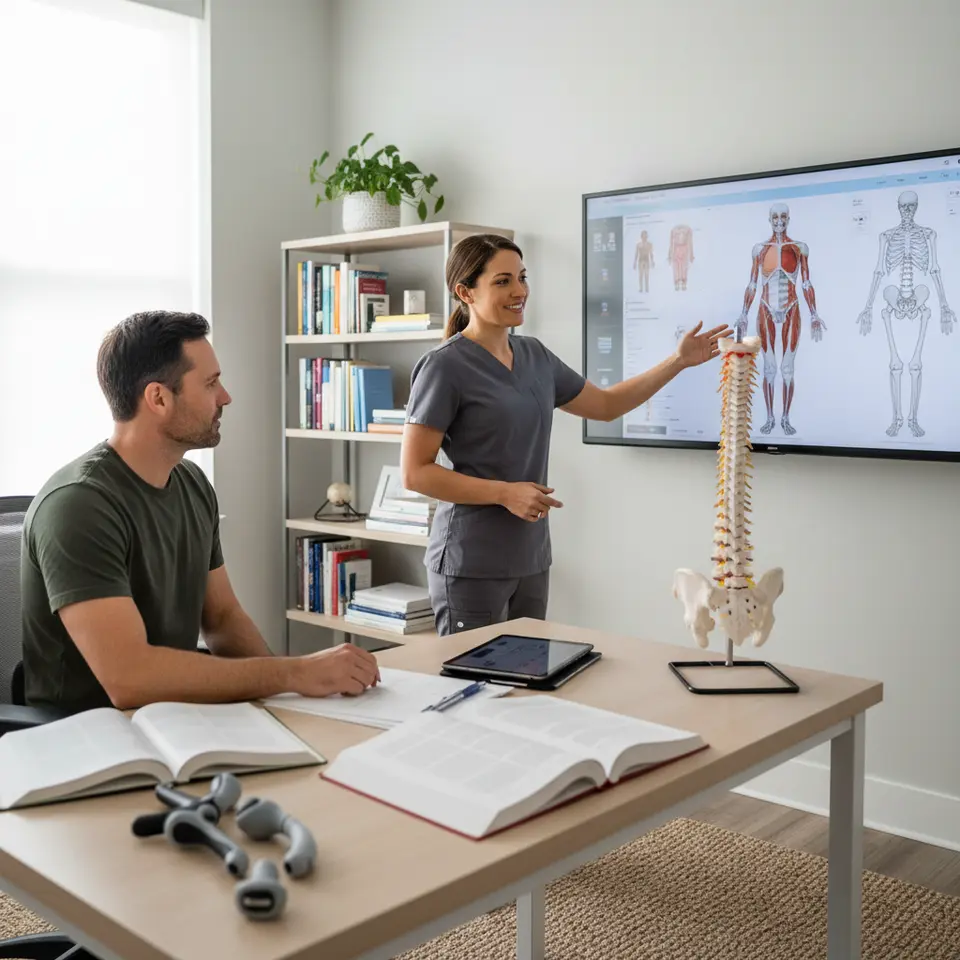
In today’s competitive healthcare environment, chiropractic resources play a pivotal role in delivering high-caliber patient care. From sophisticated digital platforms that streamline office workflows to advanced therapeutic equipment that optimizes treatment outcomes, equipping your practice with the right tools can make all the difference. This article explores a comprehensive suite of chiropractic resources—covering technology, clinical equipment, education, patient engagement, and professional networks—that every practitioner should consider adopting. By integrating these resources thoughtfully, you can enhance operational efficiency, boost patient satisfaction, and stay at the forefront of evidence-based care in this year (2026). Read on to discover strategies for selecting, implementing, and maximizing the impact of these essential assets in your clinic.
Digital Tools and Software
Modern chiropractic clinics rely heavily on digital solutions to manage patient data, schedule appointments, and facilitate communication. Today, an integrated software ecosystem is no longer a luxury but a necessity for practices aiming to deliver streamlined care. The right combination of electronic health records, practice management systems, and telehealth platforms can improve accuracy, reduce administrative burden, and foster stronger patient relationships.
Electronic Health Records (EHR)
Electronic Health Records form the backbone of any contemporary chiropractic practice. A specialized EHR tailored for musculoskeletal care offers features like built-in SOAP note templates, automated ICD-10 coding, and secure cloud storage to ensure compliance with privacy regulations. When evaluating EHR vendors, look for platforms that support interoperability standards (such as HL7 or FHIR) to enable seamless data exchange with laboratories and imaging centers. According to guidance from the National Institutes of Health (NIH), secure data encryption and robust access controls are vital to safeguarding patient information in today’s digital landscape.
Practice Management Systems
Practice management solutions handle everything from appointment scheduling to billing and reporting. Automated reminder messages—delivered via SMS or email—help reduce no-show rates, while built-in dashboards provide real-time insights into revenue, patient flow, and treatment outcomes. Integration with EHR software ensures that clinical notes and financial records remain synchronized, minimizing manual data entry and the risk of errors. Key features to consider include customizable reporting, patient portal functionality for online booking, and mobile-friendly interfaces for staff on the go.
Telehealth Solutions
Telehealth has emerged as an indispensable chiropractic resource, particularly for follow-up visits and preliminary consultations. A robust telehealth platform offers HD video conferencing, secure messaging, and digital document exchange—all in a HIPAA-compliant environment. By offering virtual appointments, practitioners can extend their reach to patients in remote areas, improve adherence to care plans, and provide convenient options for individuals with mobility challenges. Look for platforms that integrate directly with your EHR and practice management system to maintain a unified patient record.
Chiropractic Techniques and Equipment
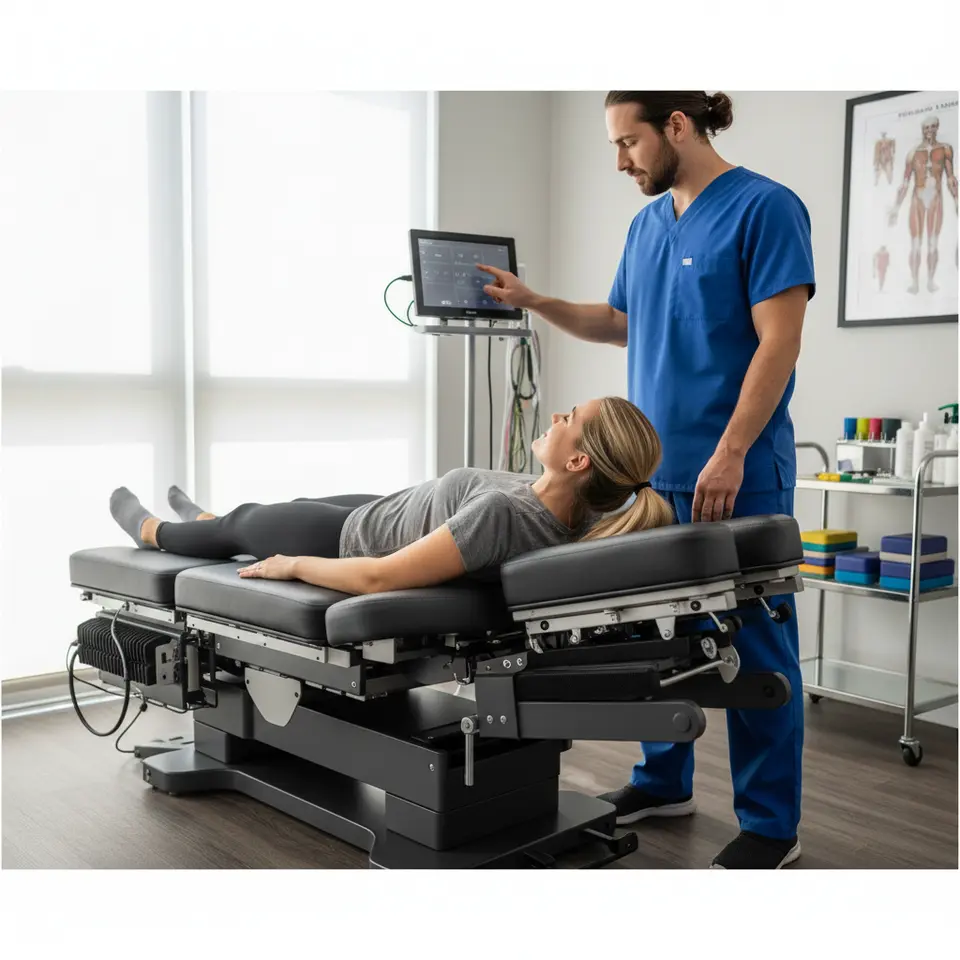
Beyond digital solutions, hands-on tools and specialized equipment are fundamental chiropractic resources that directly impact treatment effectiveness. Investing in high-quality tables, instruments, and therapeutic modalities enables practitioners to customize care for diverse patient populations, from athletes to seniors with heightened sensitivities. Below are key categories of clinical equipment to consider.
Manual Adjusting Tables and Tools
Adjusting tables designed for specific techniques—such as drop-piece, flexion-distraction, and inversion tables—enhance practitioner leverage and patient comfort. These tables facilitate precise spinal manipulations by allowing dynamic adjustments in height, tilt, and resistance. Ergonomically designed to reduce clinician fatigue, advanced tables often include quick-release components and adjustable paddings that accommodate different body types and treatment preferences. Proper table selection not only improves treatment accuracy but also supports long-term practitioner wellness.
Instrument-Assisted Devices
Instrument-assisted adjustment tools, like the Activator or ArthroStim, deliver controlled, low-force thrusts to targeted spinal segments. These devices are ideal for patients who require gentler interventions, including older adults, individuals with osteoporosis, or those recovering from acute injuries. Consistent force delivery ensures reproducible outcomes and minimizes practitioner hand fatigue over the course of multiple sessions. Many devices offer adjustable force settings, allowing customization based on patient comfort and clinical goals.
Adjunct Therapeutic Modalities
Complementary therapies—such as therapeutic ultrasound, electrical muscle stimulation (EMS), and cold laser therapy—accelerate tissue healing, reduce inflammation, and manage pain more effectively. When combined with manual adjustments, these modalities offer a multimodal approach that addresses both biomechanical and physiological aspects of recovery. For instance, ultrasound can improve soft tissue extensibility, while EMS supports muscle re-education following spinal manipulations. Selecting FDA-approved devices with evidence-based protocols is essential to optimizing clinical outcomes.
Continuing Education and Professional Development
Staying current with emerging research, innovative techniques, and evidence-based best practices is a cornerstone of professional growth. Engaging in ongoing education ensures that practitioners can deliver safe, effective care and remain competitive in a rapidly evolving field. Today’s chiropractic resources extend beyond textbooks, encompassing hands-on workshops, virtual seminars, and formal certification programs.
Accredited Workshops and Conferences
National and international chiropractic conferences provide invaluable opportunities to learn from leading experts, participate in live demonstrations, and network with peers. The American Chiropractic Association (ACA) hosts annual events featuring sessions on spine biomechanics, pediatric care, and interprofessional collaboration. Attendees can earn continuing education units (CEUs) required for licensure renewal while gaining insights into the latest chiropractic resources and technologies.
Online Courses and Certifications
Flexibility is key for busy practitioners balancing clinic schedules and learning commitments. Online platforms affiliated with reputable universities or research institutions—such as the University of Southern California’s online health sciences programs—offer on-demand courses, webinars, and case-based learning modules. Specialized certification programs in functional neurology, sports chiropractic, or prenatal care provide structured curricula and assessments to validate advanced competencies.
Research and Evidence-Based Practice
Integrating research findings into clinical decision-making enhances patient outcomes and supports practice growth. Subscribing to peer-reviewed journals, accessing open-access repositories like PubMed, and participating in university-led studies empower practitioners to critically appraise new techniques and validate chiropractic resources scientifically. Cultivating a culture of inquiry within your team encourages ongoing evaluation of treatment protocols and fosters innovation in patient care.
Patient Education Materials

Empowered patients are more likely to adhere to treatment plans, embrace lifestyle changes, and achieve lasting health benefits. Providing clear, engaging educational resources is an essential chiropractic resource that strengthens the patient–clinician partnership. From printed handouts to interactive digital tools, well-designed materials support comprehension and motivation.
Educational Brochures and Videos
High-quality brochures covering topics such as spinal anatomy, posture correction, and injury prevention can be distributed in-office or mailed to patients. Complement these print materials with short instructional videos—hosted on your clinic’s website or social media channels—to demonstrate stretching exercises, ergonomic adjustments, or self-care techniques. Visual content helps reinforce verbal instructions and accommodates diverse learning preferences.
Interactive Online Resources
Web-based platforms that feature quizzes, infographics, and animated tutorials foster active engagement. Tools like virtual spine models allow patients to visualize their condition and understand the rationale behind specific chiropractic interventions. Embedding links to authoritative sources—such as government health sites or university research pages—builds trust and underscores the credibility of your educational content.
Customized Home Exercise Programs
Tailored exercise regimens play a critical role in reinforcing in-office treatments and promoting long-term wellness. Digital exercise prescription platforms enable practitioners to assign routines, track patient adherence, and adjust protocols based on progress. Personalized programs that factor in each patient’s pain thresholds, lifestyle, and goals boost motivation and accelerate recovery.
Community and Peer Support
Chiropractic professionals benefit immensely from engaging with local and global communities. Peer support networks provide a forum for case discussions, collaborative research, and mutual encouragement—making them invaluable chiropractic resources for both clinical and personal development.
Local Networks and Professional Associations
Joining state or regional chiropractic associations connects you with colleagues who share similar challenges and opportunities. These groups often organize study clubs, referral networks, and advocacy initiatives that raise the profile of the profession. Active involvement in committees or governing bodies can also shape policy decisions affecting chiropractic care at a legislative level.
Online Forums and Social Media Groups
Digital communities on platforms like LinkedIn, specialized forums, and closed Facebook groups offer real-time advice, product reviews, and clinical insights. Moderated by experienced practitioners, these spaces facilitate candid discussions about emerging chiropractic resources, billing strategies, and patient communication techniques. Always verify shared information against reputable sources before applying new approaches in your clinic.
Mentorship and Collaboration Opportunities
Establishing mentor–mentee relationships fosters knowledge transfer and professional growth. Whether through formal mentorship programs or informal partnerships, working closely with seasoned clinicians accelerates skill development and expands your professional network. Collaborative research projects with universities or research institutes further enhance evidence-based practice and underscore your commitment to advancing the field.
Frequently Asked Questions
What type of EHR system is best for a chiropractic clinic?
Look for an EHR tailored to musculoskeletal care with SOAP note templates, automated coding, and interoperability features to integrate with labs and imaging centers.
How can telehealth improve patient care in chiropractic practice?
Telehealth extends your reach to remote patients, facilitates follow-up visits, and integrates with EHR for a unified record, enhancing adherence and convenience.
Which continuing education options are available for chiropractors?
Practitioners can attend accredited workshops, online courses, and certification programs in specialized areas like sports chiropractic or functional neurology to earn CEUs and expand skills.
Conclusion
Incorporating a diverse array of chiropractic resources—ranging from digital tools and specialized equipment to educational programs and professional networks—empowers practitioners to deliver superior care and maintain a competitive edge. By adopting robust EHR systems, investing in advanced treatment modalities, engaging in ongoing learning, and fostering patient engagement, you can optimize clinical workflows and drive better outcomes in this year (2026). Ultimately, the thoughtful selection and integration of these resources strengthen your practice’s capacity for excellence and innovation. Start exploring these essential chiropractic resources today to unlock new levels of efficiency, effectiveness, and patient satisfaction.
