


In today’s fast-moving healthcare environment, chiropractic clinics are embracing modern digital solutions to enhance patient experiences, increase operational efficiency, and maintain a competitive edge. Across the industry, practitioners are discovering that digital tools for chiropractic practice management can transform routine tasks—such as scheduling, billing, and chart documentation—from cumbersome chores into streamlined processes that free up valuable time for patient care. This article offers a detailed exploration of how to implement various technology platforms, ranging from cloud-based electronic health record (EHR) systems to interactive patient portals and telehealth services. By weaving in best-practice tactics alongside real-world examples, we provide a roadmap for integrating these innovative solutions successfully in your office.
As of this year (2026), the push toward digitization has accelerated, driven by rising patient expectations and regulatory requirements. According to the Centers for Disease Control and Prevention (CDC), adopting secure online platforms can also help practices meet compliance standards and protect sensitive health information (https://www.cdc.gov). In today’s digital landscape, leveraging these applications is not merely an option but a strategic necessity. Whether you run a solo practice or oversee multiple locations, understanding the full scope of available tools—and knowing how to deploy them effectively—can lead to higher patient satisfaction scores, reduced administrative overhead, and measurable growth over time.
Why Digital Tools Matter for Chiropractors
Chiropractic practitioners operate in a dynamic environment where patient demands are shifting toward seamless, technology-driven care. The focus keyword “digital tools for chiropractic practice management” encompasses a broad array of software solutions—each designed to address specific aspects of clinic operations. By automating routine workflows, these platforms help chiropractors reallocate staff efforts from paperwork to patient engagement. This shift not only accelerates front- and back-office tasks but also fosters a more professional and responsive clinic culture.
Enhanced efficiency is one of the primary benefits. Automated scheduling systems, for example, can reduce appointment conflicts, send instant confirmations, and lower no-show rates through reminders. Meanwhile, integrated billing software streamlines insurance verification and claims submission, resulting in faster reimbursements and fewer rejections. This level of operational rigor is crucial, given that administrative expenses can account for a significant portion of overhead in outpatient practices.
Patient engagement tools—such as mobile-friendly portals, SMS notifications, and custom exercise libraries—play a pivotal role in treatment adherence. Clients can access their care plans, view instructional videos, and track progress metrics right from their smartphones. Such transparency encourages patients to stay invested in their therapy, improving clinical outcomes and boosting retention rates.
In addition, data analytics modules provide real-time insights into key performance indicators. Clinic owners can monitor metrics like average visit length, revenue per patient, and treatment outcomes to identify high-value services and underperforming segments. With these insights, decision-makers can fine-tune service offerings and marketing campaigns, ensuring resources are allocated strategically.
Finally, expanding service footprints through virtual care channels offers untapped revenue streams. Telehealth consultations and remote rehabilitation monitoring break down geographical barriers, opening clinics to a broader patient base. From initial assessments to post-treatment check-ins, remote solutions ensure continuity of care—even when in-person visits are not feasible. Collectively, these advantages illustrate why adopting digital tools for chiropractic practice management is essential for sustained growth.
Essential Digital Tools for Chiropractic Practice Management
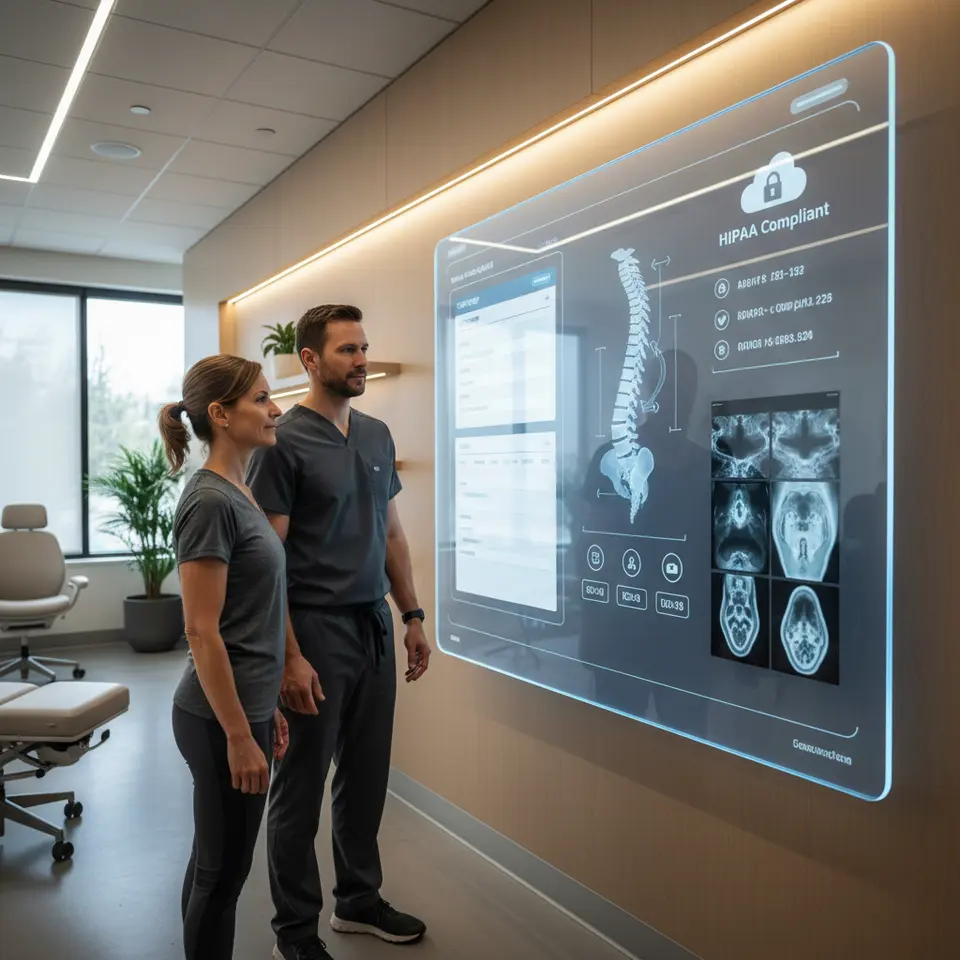
Choosing the right technologies forms the backbone of a digitally empowered chiropractic clinic. Below, we explore the platforms that deliver the greatest impact.
Electronic Health Record (EHR) and Clinical Documentation
Modern EHR systems tailored for chiropractors consolidate patient charts, treatment histories, SOAP notes, and billing codes in a unified interface. Look for solutions offering:
- Customized templates for range-of-motion tests and spinal assessments
- Integrated CPT and ICD-10 coding for smooth insurance claims
- HIPAA-compliant encryption and secure cloud storage (see U.S. Department of Health & Human Services guidance at https://www.hhs.gov/hipaa)
- Interoperability with diagnostic imaging platforms and laboratory data
By centralizing clinical data, chiropractors reduce transcription errors, enhance collaboration among care teams, and simplify audit preparations.
Telehealth and Virtual Care Applications
Telemedicine tools allow for remote consultations, follow-up appointments, and guided rehabilitation sessions. Key features include:
- High-definition, low-latency video streaming
- Secure patient authentication and consent documentation
- Direct integration with your EHR for real-time chart updates
- Online payment portals for virtual visit fees
Such platforms support continuity of care when physical visits are challenging, extending services to home-bound or distant patients.
Patient Engagement and Communication Portals
Interactive portals and mobile apps empower clients to view upcoming appointments, access personalized rehab videos, and communicate securely with their care team. Automated SMS and email reminders further reduce no-shows, while satisfaction surveys collect feedback to refine service delivery.
Practice Management and Billing Software
Comprehensive management suites integrate scheduling, insurance verification, claims adjudication, payment posting, and financial reporting. Real-time dashboards display revenue cycle metrics, outstanding balances, and aging receivables, enabling quick action on denied claims and overdue invoices.
Marketing, SEO, and Analytics Tools
Attracting and retaining patients requires a robust digital marketing strategy. Solutions for email campaigns, social media scheduling, online reputation management, and SEO audits help build visibility in local search. Additionally, data analytics modules—such as those provided by research institutions like the National Institutes of Health (https://www.nih.gov)—offer insights into demographic trends, marketing ROI, and practice performance, so you can optimize outreach efforts.
Implementation Strategies for a Smooth Technology Rollout
Successfully integrating digital tools for chiropractic practice management demands careful planning. The following steps outline a roadmap for a seamless transition.
1. Conduct a Needs Assessment
Begin by gathering input from every team member to identify existing workflow pain points. Mapping out current processes—such as appointment booking, charting, and billing—reveals where automation will yield the highest return. Use surveys or in-person interviews to capture staff feedback comprehensively.
2. Define Clear Success Metrics
Establish measurable objectives before deployment. Examples include reducing average claim processing time by 30%, cutting no-show rates by half, or boosting monthly patient volume by 20%. Document these targets and align them with your overall business goals.
3. Select Scalable, Cloud-Based Platforms
Opt for cloud-hosted solutions that can scale as your practice grows. Platforms recommended by the National Institute of Standards and Technology (https://www.nist.gov/topics/digital-transformation) offer robust security frameworks and facilitate remote access, ensuring continuity even if hardware failures occur.
4. Provide Comprehensive Training
Allocate dedicated time for hands-on workshops, covering every feature relevant to daily operations. Supply quick-reference guides, video tutorials, and knowledge base access so staff can troubleshoot common questions independently.
5. Monitor Usage and Iterate
Once live, track user adoption and system performance weekly. Tools with built-in analytics reveal login frequencies, module usage, and outstanding tasks. Solicit ongoing feedback through short pulse surveys, then refine configurations to address emerging challenges.
Real-World Case Studies Demonstrating Success

Seeing how peers leverage digital tools for chiropractic practice management can inspire your own transformation. Below are two illustrative examples.
Case Study A: Streamlining Operations in a Multi-Provider Clinic
Sunrise Spine Center, a 10-provider practice, faced bottlenecks in billing and scheduling due to disparate legacy systems. After adopting an integrated EHR and practice management suite, they observed:
- 50% reduction in insurance claim denials within three months
- 40% fewer appointment conflicts through centralized scheduling
- Enhanced patient loyalty scores driven by automated follow-up reminders and online feedback requests
Case Study B: Expanding Reach with Telehealth Solutions
Coastal Chiropractic, serving rural communities, introduced virtual consultations and guided home exercise sessions. As a result:
- Online visits grew to represent 25% of total appointments
- Patient retention increased by 15% due to monthly remote maintenance check-ins
- Staff productivity improved as clerical time decreased by 20%
Best Practices for Ongoing Success
Maintaining momentum after deploying digital tools for chiropractic practice management is critical. Follow these guidelines to ensure sustained benefits.
Keep Software Updated
Regularly apply patches and upgrades to benefit from new features, performance enhancements, and security fixes. Schedule update windows during off-peak hours to minimize disruptions.
Conduct Periodic Workflow Audits
Every quarter, review core processes—such as appointment triage, chart documentation, and revenue cycle management. Identify any bottlenecks or underused functionalities, then adjust configurations or retrain staff accordingly.
Strengthen Data Backup and Disaster Recovery
Implement a multi-tiered backup strategy that includes local snapshots and secure offsite archives. Test recovery procedures annually to verify data integrity and system resilience.
Engage Patients with Innovative Offerings
Host virtual workshops on ergonomics, launch online community forums, and deliver targeted email campaigns highlighting new services. Consistent digital engagement deepens patient relationships and positions your practice as a trusted resource.
Leverage Analytics for Continuous Improvement
Make regular use of your system’s reporting dashboards. Track key indicators—such as average visit duration, patient satisfaction scores, and revenue per session—to spot trends and adjust your strategy in real time.
Frequently Asked Questions
What are the key benefits of using digital tools in chiropractic practice management?
Digital tools streamline administrative workflows, enhance patient engagement, improve data accuracy, and enable actionable insights through analytics. These benefits translate into reduced overhead, higher patient satisfaction, and sustainable growth.
How can I ensure my EHR system is HIPAA compliant?
Choose a cloud-based EHR vendor that offers end-to-end encryption, access controls, audit trails, and regular compliance updates. Review their security certifications and conduct periodic audits to confirm adherence to HIPAA standards.
What challenges should I anticipate during a technology rollout?
Common challenges include staff resistance to change, data migration issues, and temporary workflow disruptions. Address these by providing comprehensive training, creating a phased implementation plan, and maintaining open communication throughout the transition.
Can telehealth integrate seamlessly with existing chiropractic practices?
Yes. Many telehealth platforms offer direct integration with EHR and practice management systems, ensuring that remote visit notes, billing, and patient records update in real time.
How do I choose the right digital platform for my clinic?
Perform a needs assessment to identify your practice’s pain points, define success metrics, and evaluate platforms based on scalability, feature set, security, and vendor support. Consider starting with free trials or demos to assess usability and fit.
Conclusion
Embracing digital tools for chiropractic practice management has evolved beyond a competitive advantage—it is now essential for streamlined operations, higher patient satisfaction, and measurable growth. By thoughtfully selecting cloud-based EHR platforms, telehealth services, patient engagement portals, and marketing analytics tools, you create an integrated ecosystem that supports every facet of your clinic. This year (2026), begin with a thorough needs assessment, define clear success metrics, and invest in comprehensive staff training. Monitor usage closely, adapt workflows based on data insights, and stay current with software updates. In doing so, you’ll cultivate a patient-centric practice that thrives in today’s digital landscape and secures long-term success.
